Without question, using technology to deliver health care has many advantages, including cost savings, convenience, and providing care to patients in rural areas lacking local doctors or clinics. Many patients appreciate it because it reduces time off at work, transportation costs, and childcare for appointment times. One of the greatest advantages during the Covid-19 pandemic was the reduction of supplies and hospital beds by keeping low-risk patients at home, helping some hospitals from further overwhelm and preventing nurse burnout.
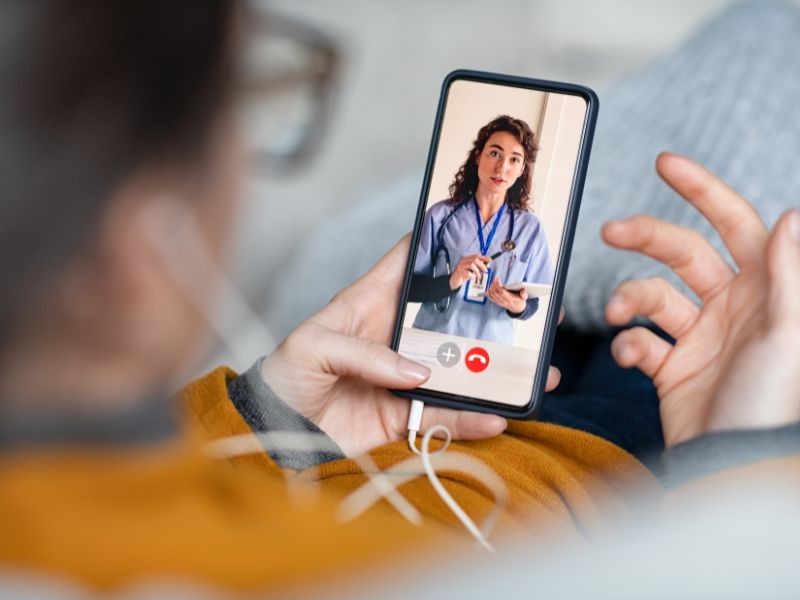
Technology advances have streamlined and improved patient care at the bedside as well.Y et many nurses and healthcare givers admit to the frustration of having to be “high tech and low touch.”
Telemedicine and telehealth allow nurses to deliver exceptional patient care in a “hands-off way,” which negatively affects nurses. The word “tele” means “at a distance.” Telenursing is defined as “the use of technology to deliver nursing care and conduct nursing practice.” However, it can feel impersonal and less connected to the patient. This “disconnection” is a source of great stress for nurses and other health professionals. The demands of dealing with the many technology devices and the electronic medical record take them from the bedside doing direct patient care, which is why they entered the profession in the first place.
Nursing is personal and depends on human interaction and relationship building, yet nurses often don’t have time for either.
As healthcare leaders work to reduce the nursing shortage and explore ways to recruit and retain nurses, much discussion is needed to allow staff time to care with their hearts and hands. Self-care for nurses is more important now than ever. The SelfCare for HealthCare Program is a great way to help and encourage healthcare workers to focus on their mental health.